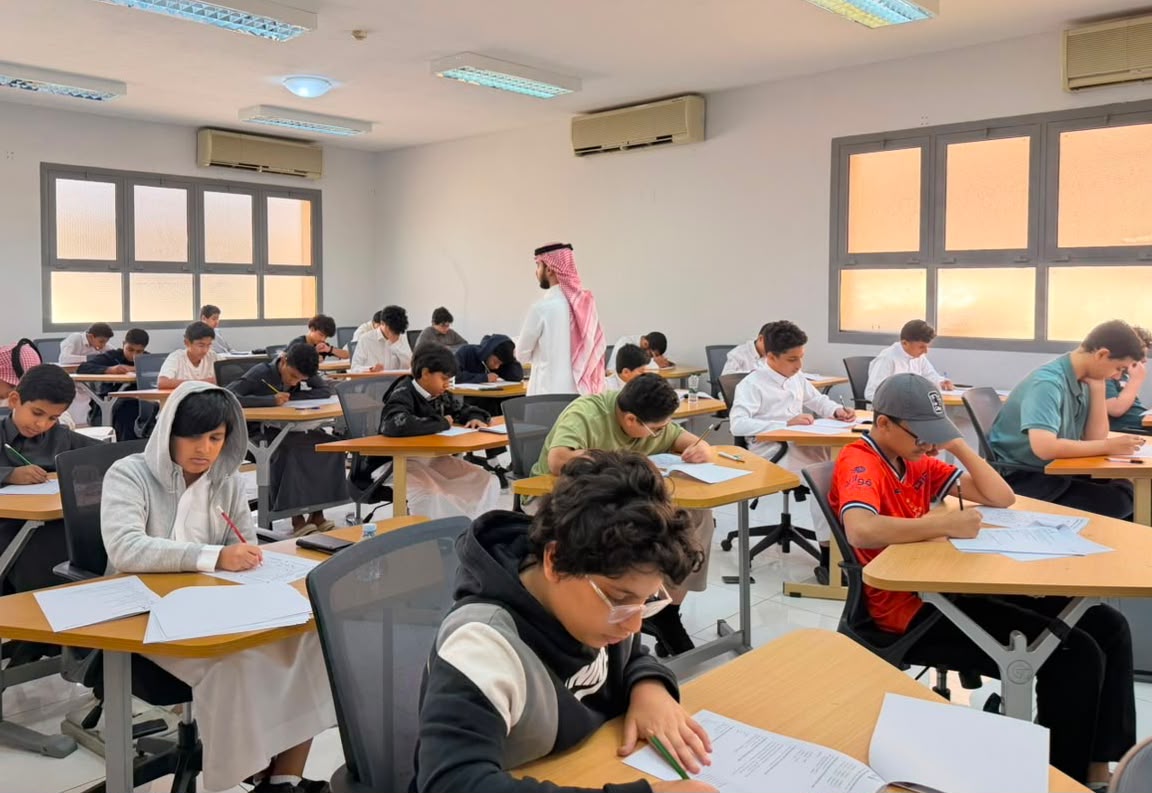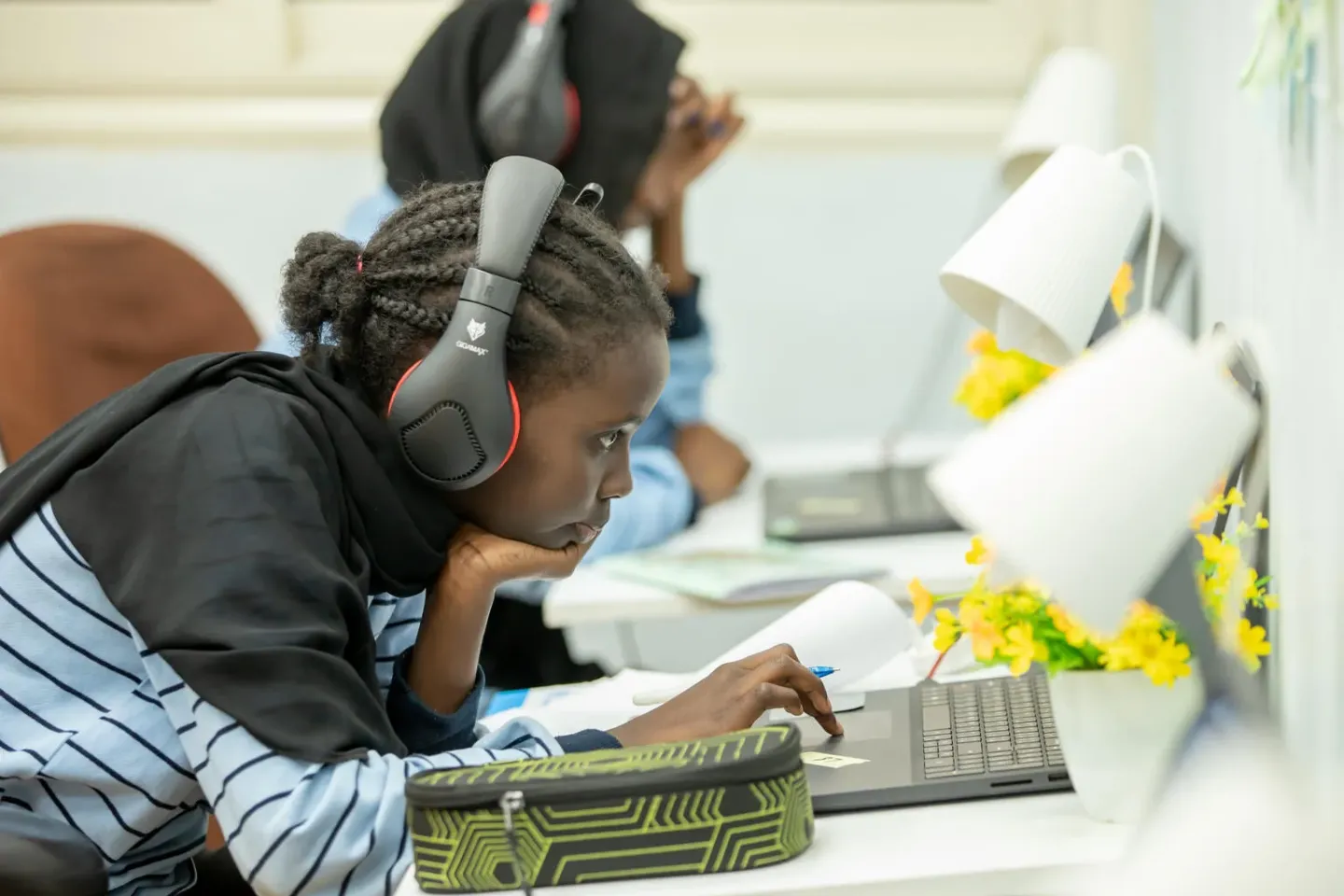

A group of adolescents may present a polished model while one member had no part in deciding what to build. A simpler first version may reveal a smart change after a peer’s observation. To teach creativity and collaboration, we need to see the path to the work, not its final appearance alone.
The central idea
Distinguish generating varied ideas from developing a suitable one, and distinguish sharing work and discussion from resolving disagreement. Gather an artefact, observation and individual reflection, then interpret results in light of the task and opportunities each participant had.
1. Which abilities are we looking for?
PISA’s creative-thinking assessment examines students’ capacity to generate, evaluate and improve diverse and original ideas in defined tasks, not a fixed personal trait called creativity. Collaboration appears in listening, sharing information, coordinating work and reaching a decision together. These should not be collapsed into an impression of a “gifted student”.
OECD’s study of social and emotional skills records responses on aspects such as collaboration and persistence across settings, but it does not replace observing a team’s performance in a local task. What a facilitator sees depends on task, group size, relationships, language and confidence. An assessment card should start with observable behaviour. [1] [2]
2. A task that creates real evidence
We suggest a group of four young people select a small library or neighbourhood problem, generate three approaches, justify a choice against a criterion, build a low-cost prototype and try it with a fictional user or peer. They retain evidence of change: an initial sketch, test observation, revised version and explanation of the decision.
This is a proposed learning experience, not a PISA test or published impact study. Judge neither visual polish nor presentation skill alone. Someone who finds drawing difficult could explain orally or organise observations; define the actual skill before treating a form of presentation as evidence. [1]
3. A rubric with several sources of evidence
For creative thinking, ask whether the learner offered alternatives with different logic, connected a choice to users and constraints, and improved an idea in response to feedback. For collaboration, ask whether they invited views, made their contribution and needs clear, and helped resolve disagreement without silencing someone. Describe levels with concrete examples.
Avoid collapsing these dimensions into a context-free ranking. A facilitator keeps the artefact, records two specific observations during group work and asks for a short individual reflection. Two facilitators can score a sample and discuss differences before using the rubric broadly, so verbal fluency alone does not define collaboration. [1] [2]
4. Who had a chance to participate?
The most confident participant may take most of the speaking and testing time, while a quieter person contributes by reading the problem or spotting a flaw. Rotating roles and allocating time for questions can make each contribution visible. Language, disability, prior experience and access to design materials matter; otherwise an assessment may partly measure privilege.
Agree on simple participation rules before the activity. Facilitators should know when to open space without making a decision for the group. Interpret collaboration alongside the record of roles and opportunities, not as a verdict on a child’s personality or eventual employability. [2]
5. Feedback followed by another attempt
After a first presentation, a peer asks a specific question about the intended user or evidence that the approach can work. The group returns to its idea, choosing what to change and what to retain and why. Revision becomes evidence: did criticism improve the solution, and could the team disagree productively?
If an idea does not change, perhaps the feedback was weak or the proposed change unjustified; that is not automatically resistance to learning. Record the feedback and time allowed for revision. Comparing final products is misleading when groups had different opportunities to test their ideas. [1]
6. A report that helps the programme designer
Report how many completed the task, anonymised examples of alternatives and revision, collaboration patterns and barriers. If ideas are varied but untested, add a user-feedback stage. If work is unequally shared, change group formation or roles. This improves a specific experience; it is not a certificate that graduates have become creative in every setting.
Comparable starting and final tasks can help, with attrition and task difficulty documented. A higher mean on a locally invented rubric does not by itself prove causation; appropriate design and scoring consistency matter. A rubric should not punish a young person for trying a bold idea that fails the first time.
7. Performance anchors that make a rubric legible
Imagine young people redesigning a reading corner in a neighbourhood centre. One team offers three similar posters; another offers distinct approaches: a lending system, a discussion area and peer recommendations. The second is not automatically “more creative” because it lists more ideas. The rubric examines differences in underlying logic, fit with users and how an option changed after feedback. Annotated performance examples keep confident presentation from standing in for good thinking.
Collaboration appears in traces of work, not just in a quiet room. One participant invites a quieter peer to interpret information; another tests a challenge and revises the plan; a third records a disputed decision. Describe these behaviours in language young people understand and allow different contributions through writing, building or drawing. Equal speaking time by the minute is not necessarily the goal when tasks differ.
OECD PISA’s creative thinking assessment includes generation, evaluation and improvement of ideas, while social-emotional skills surveys ask different questions with different methods. A local rubric can draw on the process but is not a miniature PISA test and cannot yield an international score. Review its wording with young people, families and facilitators before using it to judge a programme. [1] [2]
8. Fair observation of individual and group
A single group product cannot reveal each of four young people’s capabilities. Gather at least two traces: a collective artefact such as the first and revised versions, and a brief individual trace such as an explanation of a choice or a question raised. Rotate listening, recording, testing and presentation roles without assigning fixed personalities. Offer a second chance to someone whose contribution was not visible in the first round.
Before the programme, two facilitators independently rate one example and explain their disagreement. One may see revision as learning while another sees an unexplained concession. The rubric can then ask what evidence led to the change. Repeat calibration with examples in different languages and forms of expression; avoid precise scores that imply untested reliability. Keep examples anonymous and seek appropriate permission for a minor’s work.
Participation can shift with safety, familiarity and group composition. Record the conditions and timing of observation, including absence or a choice not to present publicly. Silence alone is not evidence of poor collaboration. Invite each young person to describe what they contributed and want to improve so the account is not written only by adults. [1] [2]
9. From observation to a better experience
The report should show brief examples of how ideas changed, how user feedback was used and who had access to materials and space. Diverse ideas without testing may call for more prototyping time, not another creativity lecture. A strong group product with invisible individual contributions calls for better collaboration rules and material allocation. An operating decision matters more than a leaderboard of teams or individuals.
To claim improvement, collect a starting task and a later task of comparable difficulty with fair opportunity to practise. Even better performance cannot be attributed solely to the programme without considering prior experience or concurrent school activity. Report participant count, absence and selection, and what the tool did not measure, such as creativity beyond the task or long-term relationships.
Discuss findings with the young people. Does the rubric reflect what they see as a contribution? Did scoring discourage experimentation? The programme may reduce formal assessment during exploration and increase feedback, then use a rubric for a final project decision. This is a practical review of the tool itself, not a claim that an international study proved an effect for the proposed neighbourhood activity. [1] [2]
10. Limits of the evidence
OECD sources use different populations and methods. PISA creative-thinking tasks are not the proposed programme rubric, and social-emotional surveys do not observe cooperation within a Saudi group. We use their concepts to develop a local measure that needs piloting for validity and consistency, while separating performance in a task from a long-term impact claim. [1] [2]
From reading to a reviewable learning experience
Tell us about your organisation, audience and decision to improve, so we can design a learning experience and a way to review its results.
Discuss an ideaSources & References
Sources reviewed 30 September 2026. Examples and decision tools in this article are editorial proposals unless stated otherwise; they are not results of a delivered programme.